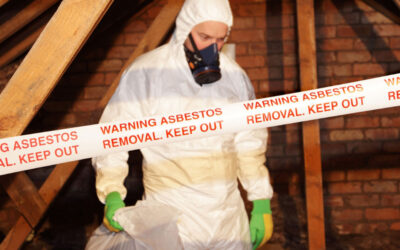
Your home is where you relax, grow, and make memories. But what if it’s also where invisible threats are quietly building up. From excess moisture and pet dander to radon gas and airborne chemicals, toxins in your home could be putting your health at risk.
In Washington, our combination of damp weather and unique geology can create hidden health hazards in even the most beautiful homes. Understanding what’s beneath the surface empowers homeowners and builders to create a safe, healthy sanctuary, the kind of home that truly supports empowered living.
Let’s take a closer look at how protecting your indoor environment helps protect your family.
Your Home’s Health Matters More Than You Think
The Indoor Environment Affects Your Health
We often focus on comfort, color schemes, and furniture but the air you breathe and the materials inside your walls may have a greater impact on your health than you think. A well-built, healthy home should protect from outside elements while keeping the inside air clean and dry.
The Trouble with Moisture and Mold
In the rainy Pacific Northwest, mold growth is a common and persistent issue. Homes with excess moisture face not only structural damage but also mold-related health issues like asthma and allergies.
Radon Gas: A Silent Threat
Radon is a colorless, odorless radioactive gas that seeps into homes from the ground. You can’t see radon, but it’s the leading cause of lung cancer in non-smokers. Radon gas contributes to around 20,000 deaths each year in the U.S. according to the Washington State Department of Health. Parts of Washington have higher natural radon levels, especially in certain eastern counties. But radon isn’t limited to high-risk zones. Elevated levels can be found in any home, even next door to one with low levels. The only way to know if radon is in your home is to test for it. Experts strongly recommend every Washington home be tested.
Off-Gassing Chemicals and VOCs
Modern homes often contain volatile organic compounds (VOCs). These chemicals can be released into the air from things such as carpets, pressed wood furniture, and even fresh paint. A common offender is formaldehyde, a chemical linked to construction materials. It can irritate the eyes, nose and throat, cause headaches, and even nausea. Poor ventilation or airtight construction often traps these off-gassing chemicals indoors where we breathe them in daily.
Hidden Hazards Lurking in Washington Homes
Mold and Mildew
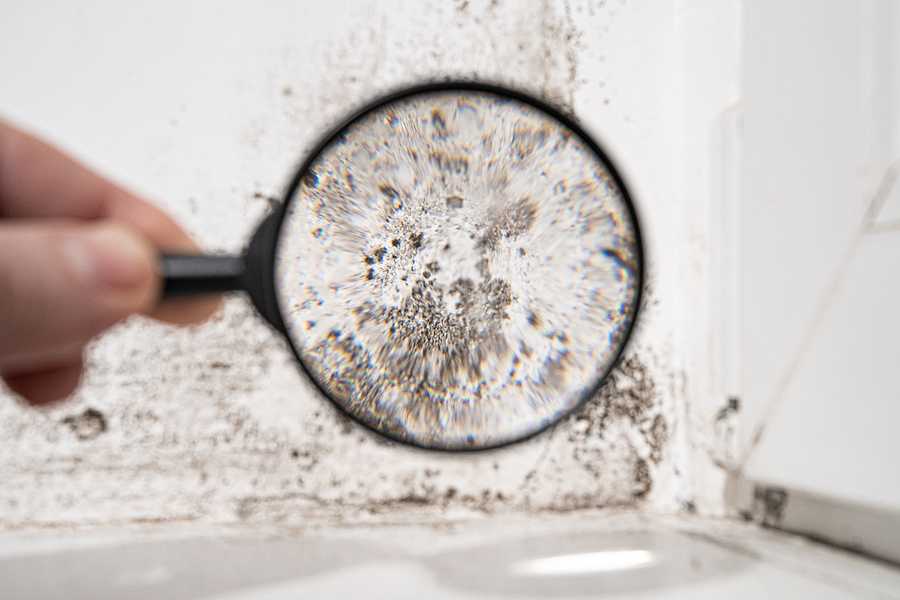
Mold thrives in moisture. Our state’s damp weather and seasonal humidity make it easy for mold to grow and hide in damp places like bathrooms, kitchens, basements, inside walls, and behind furniture. If you notice a musty smell or see discoloration on your walls or ceilings, it’s time to act. Fix leaks promptly, install an exhaust fan for ventilation, and keep surfaces dry.
Although not all molds will make you sick, certain types and heavy infestations can trigger allergies or asthma in some people. To help keep moisture (and mold) at bay, it’s important to ventilate and insulate your attic and crawl space. Also be sure to install a vapor barrier to keep your crawl space dry.
Radon: Still a Concern
Radon can be present anywhere, but some Washington counties (like Spokane and Stevens) report average radon levels above the EPA’s action level of 4.0 pCi/L. These high-risk areas require new homes to include radon-resistant construction measures when built.
Many homes have never been tested for radon. You can get an affordable DIY test kit or request a free one (while supplies last) from the Washington State Department of Health. The best option? Hire a radon testing company.
Stale or Polluted Indoor Air
A poorly ventilated home traps airborne pollutants inside. Pollutants from cleaning chemicals, cooking fumes, dust mites, and even pet dander can linger in the air. This stale air can lead to headaches and respiratory irritation.
Since 1991, Washington building code has required whole-house ventilation systems in new homes. Newer homes are built tighter for greater energy efficiency so need mechanical ventilation to keep the air fresh. Many older homes rely more on traditional ventilation using attic vents.
Owners of older homes should consider adding vent fans or an Energy Recovery Ventilator (ERV) for better ventilation. It’s also important to open windows periodically to “flush out” air and always run your exhaust fan while cooking or showering.

Insulation and Air Leaks
Having a poorly insulated or leaky home shell contributes to moisture problems and discomfort. Tiny gaps and cracks around windows, doors, and light and wiring penetrations let moist air in and warm air out. These cold spots become breeding grounds for mold growth.
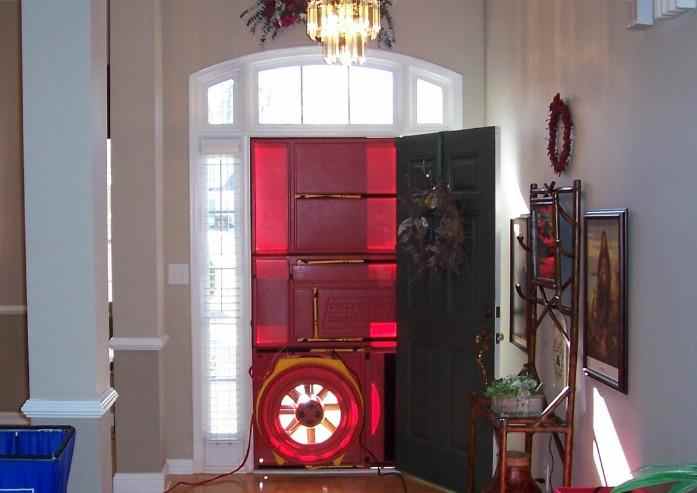
A blower door test and a thermal imaging scan can pinpoint where your home is leaking and how to fix it before damage occurs. Sealing these leaks will help lower energy bills and help prevent drafts and condensation.
Checking and Improving Your Home’s Health
Many of us visit the doctor for check-ups to keep our bodies healthy. You can think of a home health assessment in the same way, as a “check-up” for your house. At Specialty Group, our Specialty Home Rx program covers every step to check the health of your home. It includes:
Visual Mold Inspection
We check for mold or water damage in your attic, crawl space, bathrooms, and behind walls. Our certified inspectors may use air samples or moisture meters to check for elevated mold spores. It’s important to catch mold early. Finding hidden trouble right away (such as a small mold patch from a roof leak) allows you to fix the problem before it spreads.
Radon Testing
During a radon test, sensitive monitors test your home’s radon levels in the lowest lived-in part of your home. If your results are high, we’ll help with recommending the next steps to improving your radon levels. These steps may involve improving your under-house ventilation or sealing foundation cracks.
Indoor Air Quality Testing
When testing indoor air quality, a range of checks are done from measuring humidity levels to testing for specific pollutants. Our test devices detect volatile organic compounds (VOCs), formaldehyde, carbon monoxide, and particulate matter. Knowing what’s in the air helps identify triggers for allergies or asthma, such as an old carpet or unvented gas appliance. We’ll recommend ways to improve your home’s filtration and ventilation.
Blower Door Test and Thermal Camera Scan
We locate air leaks and insulation gaps, helping you prevent moisture problems and lower energy bills. For a blower door test, technicians mount a special fan to the exterior door to depressurize the house slightly. Sensors pinpoint where outside air rushes in during the test. Owners of drafty older homes can discover gaps and air leaks around their home, while owners of newer homes can verify their home’s construction is as airtight as it should be. Thermal camera scans provide color images of temperature differences on your walls and ceilings.
These images help reveal missing insulation and water leaks, as well as identify cold, damp spots where mold might take hold.
Attic and Crawl Space Inspection
Oftentimes the biggest problems start in places that are seldom checked such as your attic and crawl space. In your attic, we check for the right amount of insulation, signs of roof leaks, adequate venting, and that your roof or soffit vents are clear so moisture can escape. We explore your crawl space or basement for standing water and soggy soil. We also look to see if rodents have affected your insulation and if your crawl space ground is covered with a plastic vapor barrier to keep earth moisture out. A dry, insulated crawl space and attic are key to preventing mold and structural damage.
Ventilation and HVAC Review
Our inspection team takes the time to examine how air moves through your home. We inspect bathroom and kitchen exhaust fans, dryer vents, filters, ductwork, and your overall HVAC system to ensure they are clean and functioning properly. Good ventilation is the “lungs of your home” and is vital for keeping your home’s air fresh and breathable.
Building or Renovating? Build Health into the Plan
If you’re building a new home or remodeling in Washington, it’s the perfect time to prioritize health from the ground up. Incorporating smart design and preventative measures during construction can help avoid major issues—and costly fixes—down the road.
Start with ventilation. Since 1991, Washington building code has required all new homes to include a whole-house ventilation system. This could be an exhaust fan on a timer or a dedicated system that brings in fresh outdoor air, helping prevent poorly ventilated spaces and keeping indoor air quality high.
In high-radon areas, like Spokane County, new homes must include radon mitigation features such as vent piping and a gas-permeable layer under the foundation.
Additional best practices include:
- Using mold-resistant materials in damp areas.
- Installing vapor barriers and proper drainage.
- Ensuring thorough insulation and air sealing.
These steps reduce the chances of future health risks and improve comfort, energy efficiency, and air quality from day one. Designing with these in mind helps homeowners avoid retrofits later. It also ensures the space supports the family’s long-term well-being.
Breathe Easy in a Healthier Home
Hidden dangers like mold, radon, and poor indoor air quality don’t need to stay hidden. When you uncover and address these issues, you can significantly improve your family’s comfort and health.
If you’re unsure where to start, schedule a Specialty Home Rx assessment. Think of it as a physical exam for your home – one that provides peace of mind and a healthier environment for your family.
Your Next Step to a Healthier Home
Locally owned and trusted since 1972, Specialty Group has been helping the Spokane–Coeur d’Alene community create healthier, more energy-efficient homes for generations. Our Specialty Home Rx program is trusted, affordable, and designed to uncover problems and provide solutions before they impact your health or wallet. We are your local partner in creating healthier homes because we know that a healthy home is the foundation for a happy life.
Don’t wait for symptoms to appear. Contact us today to schedule your Specialty Home Rx Assessment. We’ll help ensure your home is truly a place to thrive.
References
American Lung Association. (2022). Radon testing disparity report for Washington [PDF file]. https://www.lung.org/getmedia/4b60796d-a5ce-45a4-9f2d-5fcedde657a9/Radon-Testing-Disparity-report-for-Washington-2022-08-14.pdf
Environmental Protection Agency. (2014). A citizen’s guide to radon: The guide to protecting yourself and your family from radon [PDF file]. https://www.epa.gov/sites/default/files/2014-08/documents/washington.pdf
Snohomish Health District. (n.d.). Mold & air quality. https://www.snohd.org/216/Mold-Air-Quality
Spokane County. (n.d.). Frequently asked questions: Radon. https://www.spokanecounty.gov/Faq.aspx?QID=179
Washington State Department of Health. (n.d.). Formaldehyde.
https://doh.wa.gov/community-and-environment/contaminants/formaldehyde
Washington State Department of Health. (n.d.). Mold.
https://doh.wa.gov/community-and-environment/contaminants/mold
Washington State Department of Health. (n.d.). Radon. https://doh.wa.gov/community-and-environment/contaminants/radon
Washington State Department of Health. (n.d.). Washington Tracking Network (WTN): Radon. https://doh.wa.gov/data-and-statistical-reports/washington-tracking-network-wtn/radon
Washington State University Extension Energy Program. (n.d.). Moisture problems in homes [PDF file]. https://www.energy.wsu.edu/documents/moisture_hms_fct.pdf