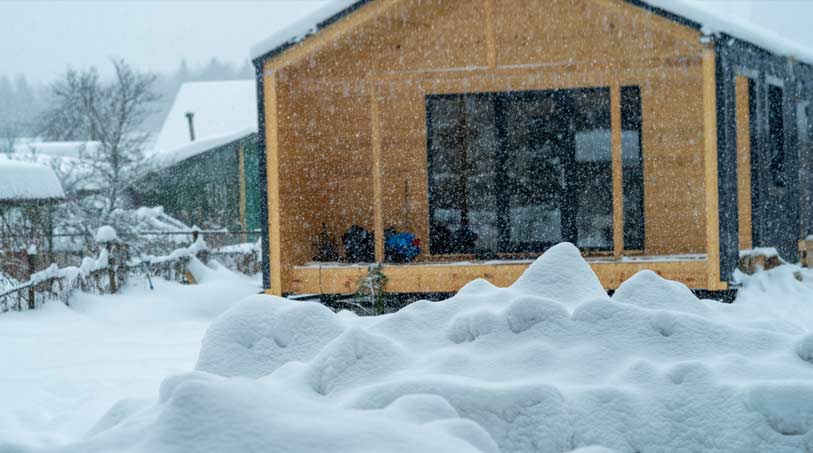
Living in Eastern Washington, homeowners are used to big temperature swings with cold, snowy winters and hot, dry summers. In Spokane alone, the city averages about 48 inches of snow each year, while summer highs often reach 80°–90°F. For many mobile and manufactured homeowners, staying comfortable through these extremes can mean high energy bills, especially in older homes built before 1976 with minimal insulation.
One area many homeowners overlook is the skirting, or underside enclosure, of their home. Think of it as a “mobile home basement.” It protects your home from weather, pests, and temperature extremes. In fact, Washington now requires skirting on new manufactured homes for insulation and pest control, recognizing its importance.
In this post we will explore how, with proper manufactured home insulation, skirting helps maintain comfort, improve efficiency, and protect your home’s structure.
Why Skirting Insulation Matters in Washington
At Specialty Group, we often see skirting insulation overlooked, even though it plays a major role in comfort, efficiency, and durability for manufactured homes across Washington.
Energy Efficiency & Cost Savings
This space beneath your mobile home, commonly called the underbelly, is exposed to outside air. Without insulation, cold winter air and hot summer air circulate freely underneath, forcing your HVAC system to work harder.
Skirting insulation stabilizes under-home temperatures and reduces drafts and heat transfer. The U.S. Department of Energy notes that mobile home underbelly insulation is one of the most effective upgrades for reducing heat loss in manufactured homes. Blocking cold air infiltration improves mobile home HVAC efficiency, resulting in lower heating and cooling bills year round and better mobile home energy efficiency overall.
Preventing Frozen Pipes & Damage
Washington winters can freeze unprotected plumbing quickly. Insulated skirting acts as a blanket for the underside by enclosing the crawl space and retaining warmer air underneath. This reduces the risk of frozen or burst pipes.
Without skirting, winds can freeze water lines rapidly, especially in Eastern Washington. If pipes burst, it can lead to expensive repairs and water damage. Insulated skirting protects pipes and ducts while serving as a wind barrier, making it a key part of winterization mobile home efforts.
Moisture & Mold Prevention
Moisture control is critical in our damp climate, especially west of the Cascades. Ground moisture beneath your mobile home can easily trap humidity, leading to condensation, mold, and rot on your home’s frame.
Installing moisture-resistant insulation combined with a mobile home vapor barrier helps control moisture levels and maintain stable temperatures. Most skirting is vented to allow airflow and reduce moisture buildup. In drier areas like Spokane, some homeowners close their vents during winter to conserve heat. But this should only be done if a 6-mil ground vapor barrier has been installed and their gas appliances have a proper outside air supply.
Enhanced Comfort Year-Round
Cold floors are common during Washington winters due to cold air circulating beneath uninsulated homes. Skirting insulation buffers against outdoor temperatures, keeping floors warmer and eliminating drafts.
In summer, insulation blocks heat from radiating up from the ground and prevents hot air buildup below your home. The result is more consistent indoor temperatures, less work for the AC on hot days, and improved mobile home floor insulation. You and your family will enjoy warmer feet in winter, and cooler rooms in summer.
Pest Control & Structural Protection
Open or poorly sealed crawl spaces invite pests. Rodents and insects can squeeze through tiny gaps, finding refuge under your mobile home. Mice and rats can easily chew through insulation and wiring, and cause damage to ductwork.
Properly installed insulated skirting panels close these entry points and help deter pests. To help with this problem, Washington state code requires vent openings to be covered with rodent-proof mesh no larger than ¼ inch. Keeping pests out protects your pipes, ducts, and framing while extending the life of your home.
When Should You Consider Upgrading Skirting Insulation?
Most homeowners only think about skirting insulation after problems appear.
Key warning signs it’s time to improve insulation include:
- Rising heating or cooling bills
- Frozen or burst pipes in winter
- Cold floors or drafts near baseboards
- Moisture, mold, or musty odors
- Signs of rodents or insects under your home, such as droppings, chewed materials, or nests
Taking a proactive approach and insulating before problems arise will help save money and headaches in the long run while improving long-term comfort.
Best Insulation Options for Mobile Home Skirting
There are several insulation options available. Choosing the right one depends on your budget, comfort and needs, such as moisture resistance and R-value.
Spray Foam Insulation
Spray foam mobile home insulation, especially closed-cell foam, insulates and air-seals at the same time. Applied to skirting or the floor’s underside, it expands to fill gaps, provides a high manufactured home R-value, and creates a tight barrier against moisture and drafts. The result is a warmer, drier, and well-sealed crawl space. Professional installation ensures proper ventilation and safety.
Rigid Foam Board
Rigid foam panels are durable, moisture-resistant, and easy to install. Panels are cut to fit between framing or attach to skirting. When sealed properly, they provide a strong insulation boost and added skirting stability.
Fiberglass Batts
Fiberglass is a budget-friendly option for crawl space insulation mobile home projects. When combined with a proper vapor barrier and ventilation, it provides reliable insulation and warmer floors. Take note, it’s crucial that fiberglass remains dry because wet fiberglass loses its effectiveness and can grow mold.
Blown-In Insulation
Blown-in insulation (both loose-fill fiberglass and cellulose) works well for enclosed skirting cavities or belly insulation upgrades. It must be paired with a belly wrap mobile home system using belly board or house wrap to contain the loose-fill and protect it from moisture. Blown-in insulation is a great choice for filling gaps that batts miss and improving efficiency without major reconstruction.
Many homeowners use a combination of methods to create a draft-free, well-ventilated under-home system.
Your Partner in Energy Efficiency
Skirting insulation is often ignored until high energy bills, frozen pipes, or pest problems arise. A proactive upgrade helps you save money, prevent damage, and enjoy consistent comfort year-round.
For expert mobile home weatherization services in Washington, you can count on Specialty Group. With over five decades of local experience, we understand regional weather, building codes, and what it takes to insulate manufactured homes the right way. Contact us today to schedule an assessment and improve your mobile or manufactured home’s comfort, efficiency, and durability for years to come.
______________________________________________________________________
References
City of Spokane. (n.d.). Geography and climate. City of Spokane, Washington. https://my.spokanecity.org/about/geography/
Gluesenkamp Perez, M. (n.d.). Gluesenkamp Perez introduces bill to offer credits for energy cost-saving improvements to manufactured homes [Press release]. U.S. House of Representatives. https://gluesenkampperez.house.gov/posts/gluesenkamp-perez-introduces-bill-to-offer-credits-for-energy-cost-saving-improvements-to-manufactured-homes
City of Independence, Missouri. (n.d.) Frozen pipe prevention and remedies. Independence Missouri. https://www.independencemo.gov/frozen-pipes#:~:text=For%20mobile%20homes%2C%20make%20sure%20the%20skirting%20is%20in%20place.
U.S. Department of Energy. (n.d.). Energy-efficient manufactured homes. Energy Saver. https://www.energy.gov/energysaver/energy-efficient-manufactured-homes
U.S. Department of Energy. (n.d.). Types of insulation. https://www.energy.gov/energysaver/types-insulation
U.S. Environmental Protection Agency. (n.d.). A brief guide to mold, moisture and your home. https://www.epa.gov/mold/brief-guide-mold-moisture-and-your-home
Washington State Department of Archaeology and Historic Preservation. (1983). Mobile home energy savings [PDF]. https://dahp.wa.gov/sites/default/files/MobileHomeEnergySavings_1983.pdf
Washington State Department of Health. (n.d.). WAC 246-359-720: Skirting. Washington Administrative Code. https://app.leg.wa.gov/wac/default.aspx?cite=246-359-720