Rising energy costs are putting real pressure on Washington homeowners’ budgets. And with our unique climate of damp, chilly winters and increasingly warm summers, keeping your home comfortable can feel expensive. The good news? Smart home upgrades can lower your bills, improve comfort, and boost indoor air quality all at the same time.
Here are ten practical, actionable ways to reduce energy use in your Washington home.
At Specialty Group, we believe energy efficiency is about more than saving money… it’s about creating homes that are healthier, more durable, and better equipped to support everyday life in the Inland Northwest.
1. Upgrade Insulation
Upgrading your home’s insulation is one of the most impactful energy efficiency improvements you can make. With Washington’s mix of coastal and inland climates, it’s critical to have insulation that performs year-round. The Washington State Energy Code requires newly built homes to have an insulation level of R-60 in attics across the state. According to ENERGY STAR, proper insulation and air sealing can help you save around 10% on your annual energy bills.
Common problem areas:
- Under-insulated attics (the top source of energy loss)
- Crawlspaces, especially in PNW homes
- Wall cavities in pre-1980s homes
- Floors over unconditioned spaces
Insulation options include:
- Spray foam insulation: this expanding foam has the highest R-value per inch.
- Fiberglass insulation: this budget-friendly option comes in batts and loose-fill.
- Cellulose insulation: this blown-in insulation is great for retrofits.
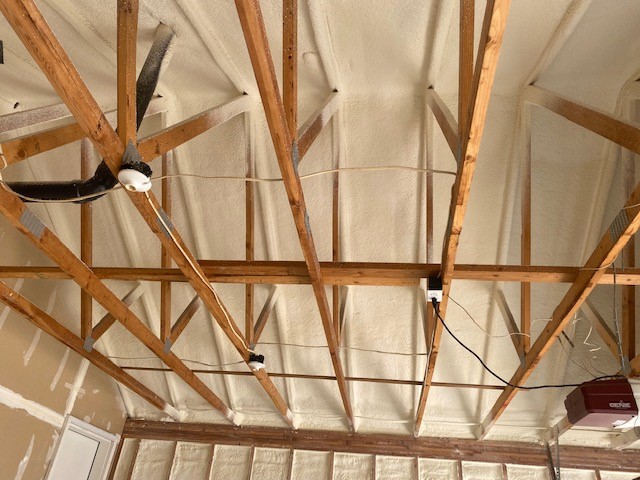
Most homeowners notice comfort improvements immediately and see a typical ROI of five to seven years. If covering the cost of these energy upgrades is a concern, you may qualify for federal or state assistance through the Weatherization Program Washington offers.
2. Install Energy-Efficient Windows and Doors
According to the U.S. Department of Energy, 25–30% of a home’s heating and cooling energy is lost through windows. Upgrading to double-pane windows can cut heat loss by up to 50% compared to single-pane windows. They can also help reduce drafts and air leaks, as well as condensation issues that are common in the Pacific Northwest.
Look for features like:
- Low-E coatings
- Argon or krypton gas fills
- Warm-edge spacers
- High-quality weatherstripping
When choosing windows for your Washington home, focus on U-factor recommendations and the right Solar Heat Gain Coefficient (SHGC) for your climate zone. Choose ENERGY STAR-certified doors and storm doors and ensure they are properly installed for maximum results.
3. Seal Air Leaks
The combined air leaks in an average home can be equal to leaving a window open year-round. That’s a huge opportunity for savings. The Washington State Building Code requires new homes to meet a maximum of 4 ACH50 (air changes per hour), highlighting the importance of having a tight building envelope. One of the best air sealing benefits is that it is a low-cost improvement with high impact.
Frequent air leakage points include:
Windows, doors, outlets, attic hatches, rim joists in basements, chimneys, plumbing penetrations, and recessed lights.
Sealing methods include:
Caulk, weatherstripping, expanding spray foam, door sweeps, outlet gaskets, and chimney cap dampers.
4. Utilize Smart Thermostats
Smart thermostats are an easy-win upgrade. ENERGY STAR reports an annual savings of about 8% (around $50/year) on your heating and cooling bills with a smart thermostat. These devices help optimize heating and cooling in our state’s variable climate. Also look for smart thermostat savings opportunities through local utility rebates.

Smart features:
Learning algorithms, geofencing, remote control via smartphone, energy usage reports, humidity control, and vacation modes.
5. Choose Energy-Efficient Appliances
ENERGY STAR-certified appliances can make a big dent in energy use.
For example:
- Refrigerators use about 15% less energy than standard models.
- Washers use about 33% less energy plus significant water savings.
Remember the “two price tags” rule when considering new appliances—the purchase price plus long-term operating costs. It will help you make better buying decisions. Twenty-plus-year-old refrigerators, water heaters, and dryers are priority items to replace.
Upgrades to consider:
- Kitchen appliances (fridges, dishwashers, induction cooktops)
- Heat pump dryers and front-loading washers
- Heat pump water heaters (up to 70% in energy reduction), tankless water heaters
When purchasing:
- Ensure you understand the EnergyGuide label
- You have the right size appliance
- Check for any available rebates
- Properly dispose of your old appliances
6. Harness Natural Ventilation
Our region’s temperate climate is ideal for natural cooling. Historically, many older homes in the Pacific Northwest were built without AC, so ventilation is key. The best strategy is to focus on cool evening and morning ventilation and daytime closure.
Natural Cooling Techniques
- Cross-ventilation design
- Window placement optimization
- Stack effect airflow
- Ceiling fans
- Operable skylights
- Whole-house fan systems
Seasonal Strategies
- Summer: Open windows at night and close them during the hottest part of the day.
- Spring/Fall: Daytime ventilation works well.
- Winter: Brief, strategic bursts of fresh air reduce humidity and indoor pollutants.
7. Perform Regular HVAC Maintenance
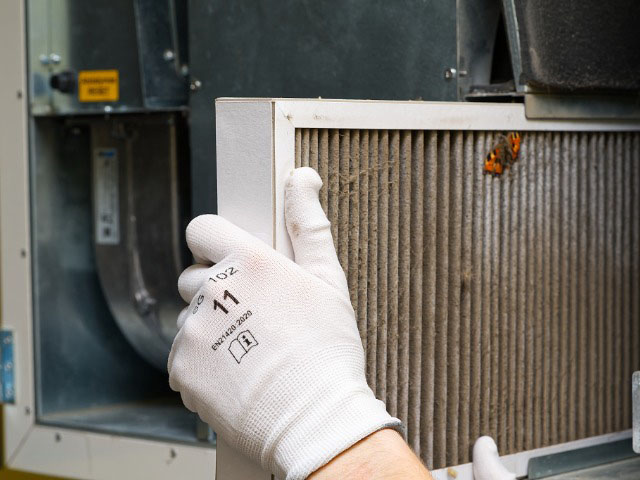
Regular tune-ups ensure your system runs efficiently and lasts longer. Proper maintenance equals optimal performance. It’s recommended that you check your air filters monthly and replace them at least every three months.
DIY HVAC maintenance tips:
- Create a filter replacement schedule
- Clear debris around outdoor units
- Clean supply and return vents
- Check thermostat calibration
Leave these steps to the pros:
- Combustion safety testing
- Refrigerant level checks
- Electrical connection tightening
- Lubrication of moving parts
- Ductwork inspections
- Heat exchanger evaluation
8. Conduct a Home Energy Audit
Undergoing a professional energy audit for your Washington home gives you a top-to-bottom evaluation of your home’s efficiency. Audits help uncover hidden problems through valuable testing and tools.
An energy audit can include:
- Blower door testing
- Infrared thermal imaging
- Ductwork inspection
- Insulation assessment
- Appliance efficiency review
- Combustion safety testing
- Ventilation evaluation
An audit provides a personalized roadmap, cost-benefit insights, and rebate guidance which are perfect for long-term utility bill reduction strategies. Specialty Group offers HomeBoost, a DIY home energy audit that delivers the tools you need to conduct your own energy audit right to your door. It is part of our comprehensive Specialty Home Rx home health check program that evaluates the overall health of your home through valuable assessments and professional guidance.
9. Upgrade Lighting to LEDs
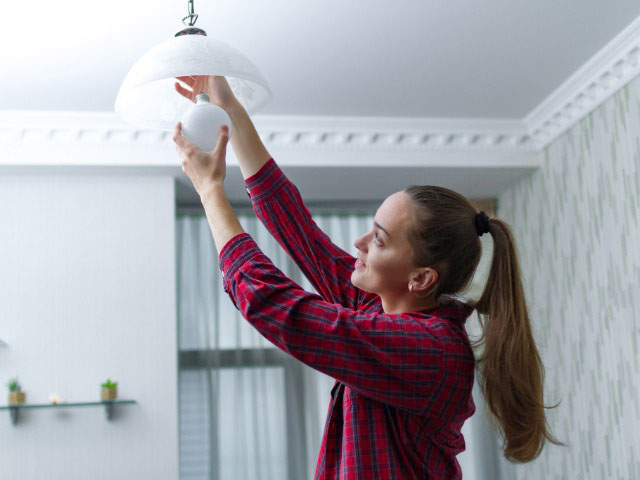
LEDs use 75% less energy than incandescent bulbs and last 25 times longer. That’s significant LED lighting efficiency for minimal cost. They also generate 90% less heat.
Upgrade your high-use fixtures first, choose warm color temperatures (2700K–3000K for living spaces), check dimmer compatibility, and consider smart bulbs for extra control. Check with your local utility company for available rebates for switching to LEDs.
10. Implement Sustainable Landscaping
Thoughtful landscaping can naturally cool or insulate your home—saving energy without touching your HVAC system. This is known as “enviroscaping,” and it creates powerful sustainable landscaping energy savings.
Summer cooling
- Plant deciduous shade trees on the south and west sides.
- Utilize vine-covered pergolas and shaded patios.
Winter protection
- Have evergreen windbreaks on the north and northwestern sides.
- Incorporate dense shrubs and foundation plantings.
Choose drought-tolerant and native plants for lower maintenance and better performance.
Your Partner in Energy Efficiency
Improving your home’s efficiency doesn’t have to be overwhelming. Even small changes, like sealing air leaks or upgrading to LEDs, add up. Bigger upgrades such as insulation, windows, and HVAC improvements deliver long-term comfort and value.
For expert help creating a healthier, more efficient home, Specialty Group is the local team to call. From insulation upgrades and blower door testing to full Specialty Home Rx assessments, we’re the Inland Northwest’s trusted partner for lasting savings and better comfort. Let’s cut your energy bills together. Contact us today to get started.
References
“Building Code Requirements for Residential Buildings.” Washington Administrative Code, Title 51, Chapter 11R, Section 40240, Washington State Legislature, 2024, https://app.leg.wa.gov/wac/default.aspx?cite=51-11R-40240.
“Community Energy Efficiency Program.” Washington State University Energy Program, WSU Extension Energy Program, 2024, www.energy.wsu.edu/BuildingEfficiency/CommunityEEProgram.aspx.
“ENERGY STAR Appliances Brochure.” ENERGY STAR, U.S. Environmental Protection Agency, 2024, www.energystar.gov/sites/default/files/tools/ENERGY%20STAR%20Appliances%20Brochure_508.pdf.
“High-Efficiency Lighting.” Building America Solution Center, Pacific Northwest National Laboratory, 2024, https://basc.pnnl.gov/resource-guides/high-efficiency-lighting.
“Landscaping for Energy Savings.” Washington State University Extension, WSU Energy Program, 2024, www.energy.wsu.edu/documents/landscapingforenergysavings.pdf.
“Recommended Levels of Insulation.” ENERGY STAR, U.S. Environmental Protection Agency, 2024, www.energystar.gov/saveathome/seal_insulate.
“Saving Money and Energy at Home.” ENERGY STAR, U.S. Environmental Protection Agency, 2024, www.energystar.gov/saveathome/heating-cooling.
“Smart Thermostat FAQ.” ENERGY STAR, U.S. Environmental Protection Agency, 2024, www.energystar.gov/products/heating_cooling/smart_thermostats/smart_thermostat_faq
“Tiny House Makes Powerful Energy Impact.” Cornell Chronicle, Cornell University, 21 June 2021, https://news.cornell.edu/stories/2021/06/cce-tiny-house-makes-powerful-energy-impact.
“Update or Replace Windows.” Energy Saver, U.S. Department of Energy, 2024, www.energy.gov/energysaver/update-or-replace-windows.
“Weatherization.” Washington State Department of Commerce, State of Washington, 2024, www.commerce.wa.gov/weatherization/.
“Window Technologies: Glazing and Frame Materials.” National Renewable Energy Laboratory, NREL/TP-550-55444, 2013, https://docs.nrel.gov/docs/fy13osti/55444.pdf.